

Scuola popolare scacchi
A. S. D.
📩 Info and contacts
To find out the details of the courses, the availability of the instructors or to request home lessons, you can contact the Board Of Education:
- 📧 Email: didattica@scuolapopolarediscacchi.it
- 📞 Tel/WhatsApp: 3483679937
🤝 We work with the schools
Our teaching modules are custom-designedin collaboration with the teaching staff and the management team, in order to enhance the educational goals of each institution.
📩 Contact us to arrange a meeting for information or a free demonstration at your school.
♟️ Corsi di scacchi nelle scuole
📚 A proposal educational for all schools
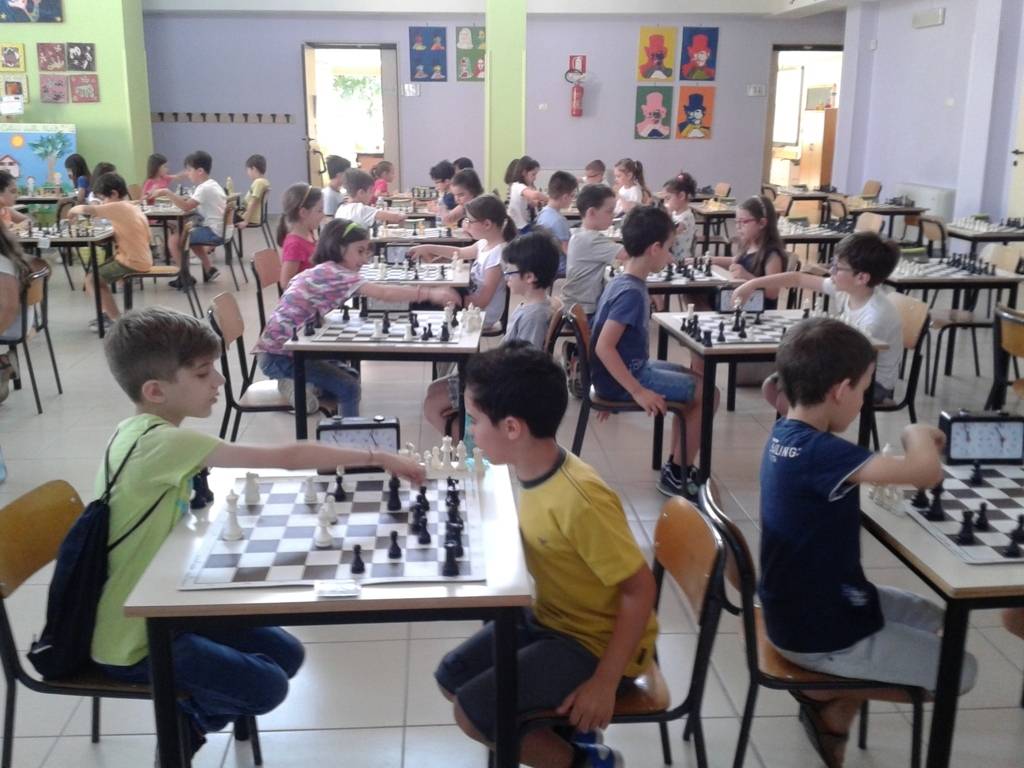
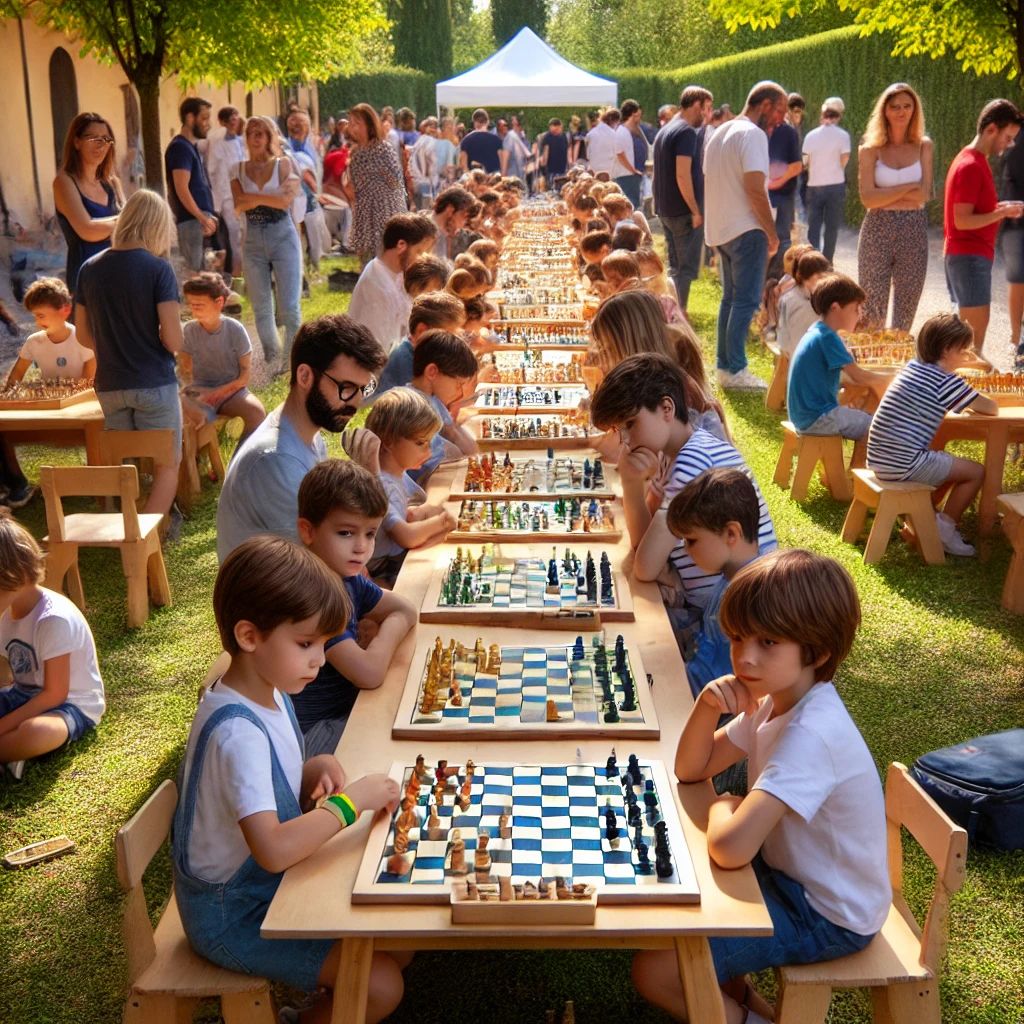
The Scuola Popolare di Scacchi it offers training courses for schools of every order and degree within the city of Rome, with activity in a time curricular and extracurricular, and the ability to support interdisciplinary projects, demonstration days and meetings with teachers and families.
✅ What we offer
- Courses in curricular and extra-curricular chess
- Sport routes are integrated (e.g. judo-sambo on request)
- Workshops in the afternoon, as custom
- Training teachers and tutors school
- Open day, free demonstrations, meetings with families or to schools teachers
🎯 Goals and normative references
Our educational projects are designed in line with:
- the The guidelines for the curriculum of the school of the childhood and the first cycle of education (ministry of education, 2012);
- the Declaration no.0050/2011 of the European Parliament – “Project Chess in School”.
All routes are adapted to the characteristics and levels of development of the pupilsthanks to the flexible modules, and shared with the management of a School.
♟️ Corsi di scacchi nelle scuole
📚 A proposal educational for all schools
The Scuola Popolare di Scacchi it offers training courses for schools of every order and degree within the city of Rome, with activity in a time curricular and extracurricular, and the ability to support interdisciplinary projects, demonstration days and meetings with teachers and families.
✅ What we offer
- Courses in curricular and extra-curricular chess
- Sport routes are integrated (e.g. judo-sambo on request)
- Workshops in the afternoon, as custom
- Training teachers and tutors school
- Open day, free demonstrations, meetings with families or to schools teachers
🎯 Goals and normative references
Our educational projects are designed in line with:
- the The guidelines for the curriculum of the school of the childhood and the first cycle of education (ministry of education, 2012);
- the Declaration no.0050/2011 of the European Parliament – “Project Chess in School”.
All routes are adapted to the characteristics and levels of development of the pupilsthanks to the flexible modules, and shared with the management of a School.
🏫 Educational activities for school
🧸 School of Childhood
- Play and motor on giant checkerboard floor
- Narratives and symbolic games inspired by the world of chess
- The development of prerequisites spatial and temporal
✏️ Primary School
- Gaming experiences that promote: attention and concentration, respect for the rules, the management of emotions
- Interdisciplinary activities with maths, Italian, art
- Playful approach teaching-gradual
🎓 Secondary school (I and II degree)
- The development of the critical thinking and analytical
- Exercises on: problem-solving, decision-making, strategic calculation, and time management
- Interdisciplinary connections with mathematics, statistics, history and art
- Laboratory locations, and modules for the extended time in the afternoon
🏫 Educational activities for school
🧸 School of Childhood
- Play and motor on giant checkerboard floor
- Narratives and symbolic games inspired by the world of chess
- The development of prerequisites spatial and temporal
✏️ Primary School
- Gaming experiences that promote: attention and concentration, respect for the rules, the management of emotions
- Interdisciplinary activities with maths, Italian, art
- Playful approach teaching-gradual
🎓 Secondary school (I and II degree)
- The development of the critical thinking and analytical
- Exercises on: problem-solving, decision-making, strategic calculation, and time management
- Interdisciplinary connections with mathematics, statistics, history and art
- Laboratory locations, and modules for the extended time in the afternoon


Useful links

CLUB HEADQUARTER
Viale Irpinia, 34, 00177 Rome (RM)
Mail: info@scuolapopolarediscacchi.it
PEC: scuolapopolarediscacchi#pec.en
OPENING HOURS
Tuesday: 18:00-23:00 free game
Saturday: 16:00-1900 game youth
VAT: 13824061009